

A box workshop in a city of workshops.
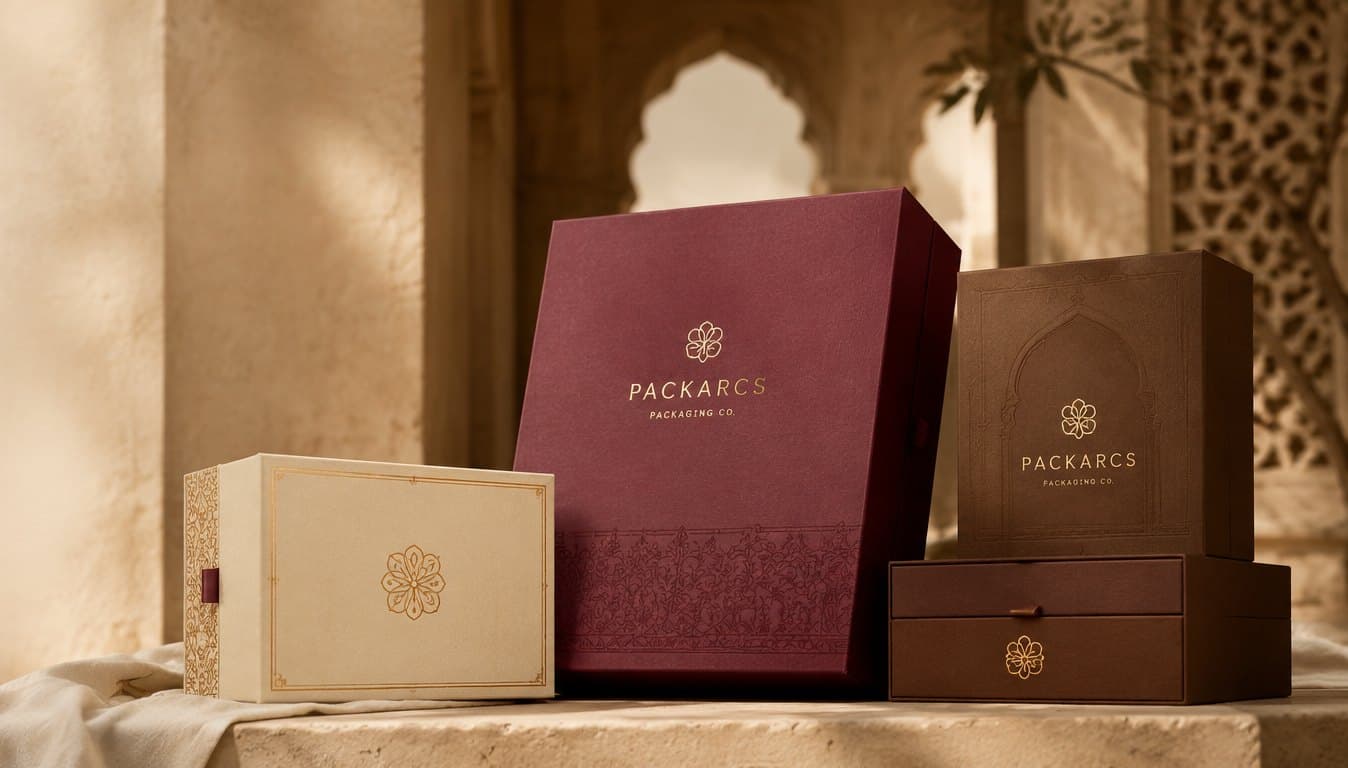
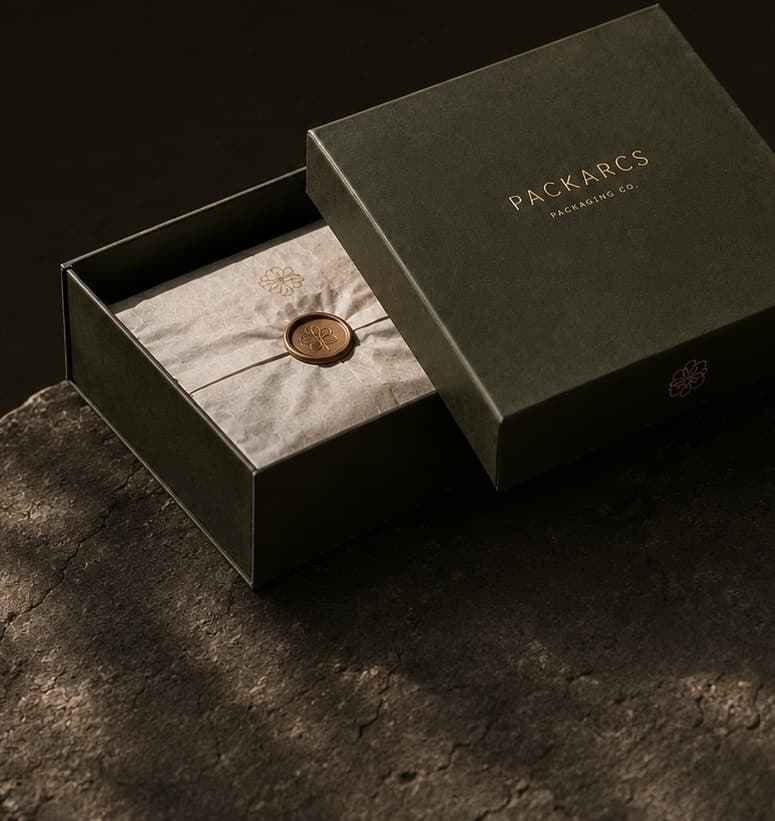
Boxes that are opened slowly.
Most of what we make is rigid packaging: magnetic flap boxes, drawers, two-piece lid and base boxes, book boxes and shoulder neck boxes. Two millimetres of greyboard, wrapped in paper or cloth, built to hold its shape when a lid is lifted and set down again.
Our clients are jewellers, perfumers, fashion labels, sweet makers and the people who send gifts on their behalf. Some order a few hundred boxes for a launch; others reorder the same box every season. Either way the brief is the same: make the object inside look as considered as it is.
When a rigid box is the wrong answer, because the volume is high or the product ships by courier, we make premium folding cartons and printed mailers to sit alongside it.
Five things we hold to at the bench.
- 1.
Measure the product, then draw the box.
A box sized to a stock template leaves the bottle rolling about in foam. We start from the real object, in millimetres, and leave room only for the insert and a sheet of tissue.
- 2.
One good finish beats four.
A single foil line on a well-chosen paper reads as more expensive than foil, spot UV and embossing fighting for the same lid. We will tell you when something can come off.
- 3.
The corners tell you everything.
Look at where the wrap paper folds round a corner. If it is tight, square and free of glue, the rest of the box was made with the same care. We check corners first.
- 4.
The box should outlive the product.
A rigid box that ends up holding letters or cufflinks keeps your name on a dressing table for years. We build them strong enough for that second life.
- 5.
Say what it costs early.
Price depends on board thickness, paper, finishes and quantity. We give an indicative figure with the first suggestion, so nobody falls for a design that will not fit the budget.
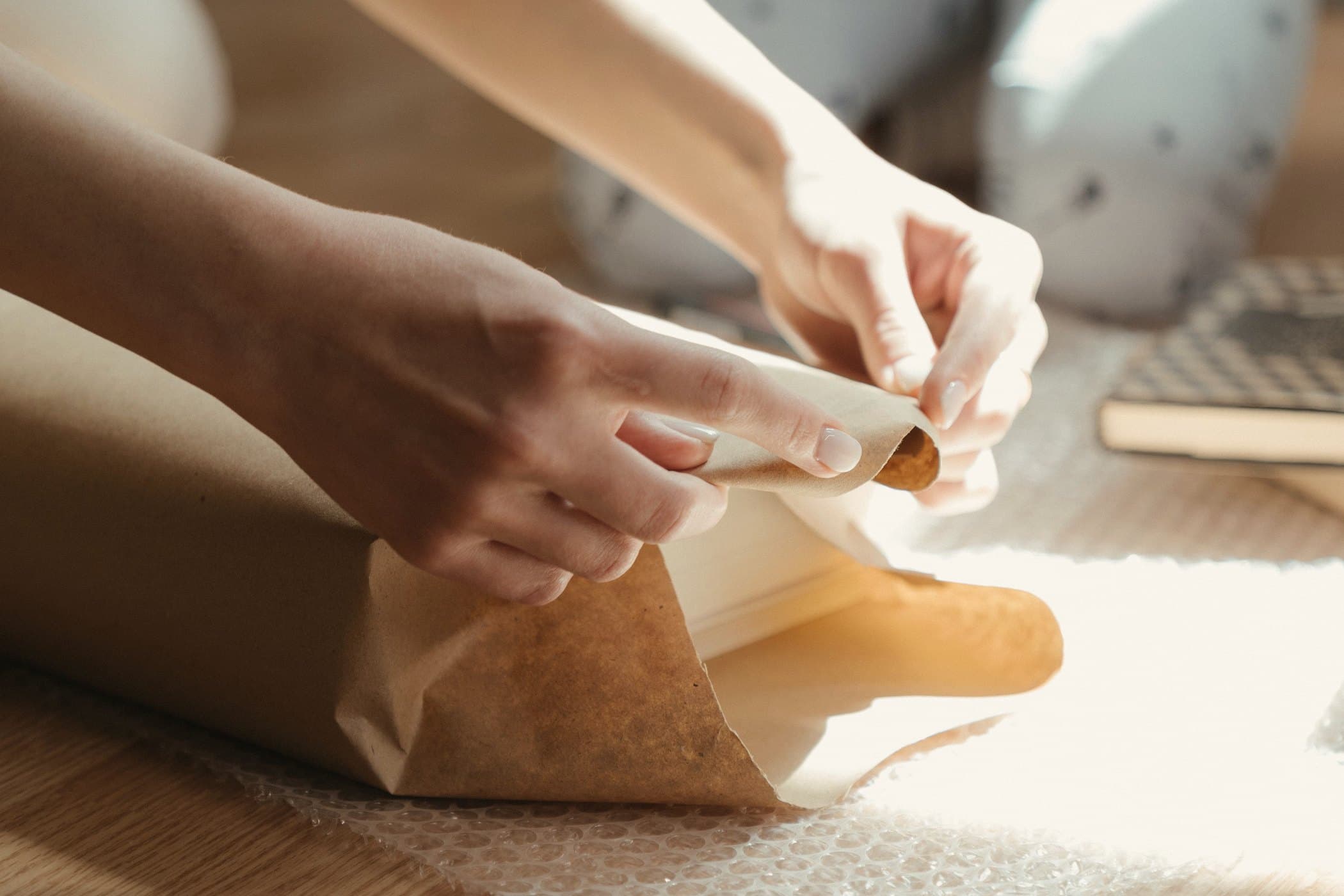
Four stages, mostly by hand.
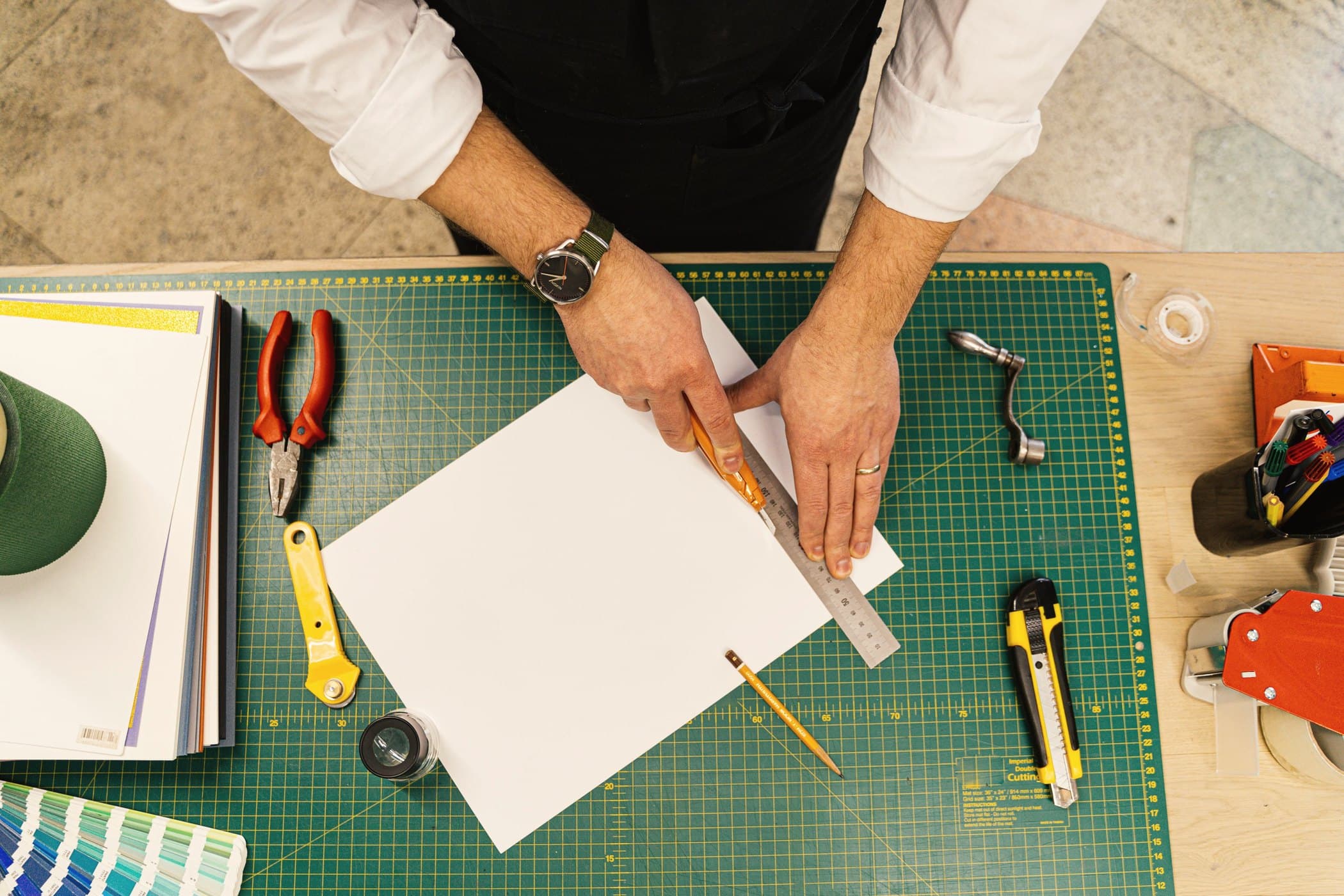
Machines cut the board and print the paper. Almost everything after that happens at a bench, which is why two boxes from the same run can be told apart only by the people who made them.
Lid and base, before it is closed
- Stage A
Board
Greyboard is cut to the dieline and the walls are V-grooved, folded and taped at the corners to make the shell. Thicker board for larger lids, so they do not bow.
- Stage B
Paper
The wrap sheet is printed, then foiled, embossed or laminated as specified, and cut with turn-in allowance so it folds inside the walls.
- Stage C
Wrap
Glue goes on the paper, the shell is set down on it, and the sides are pulled up and folded in by hand. This is where a box is made or spoilt.
- Stage D
Press
Each box is pressed while the glue sets, so the paper bonds flat with no bubbles, and then left to dry before inserts and magnets go in.
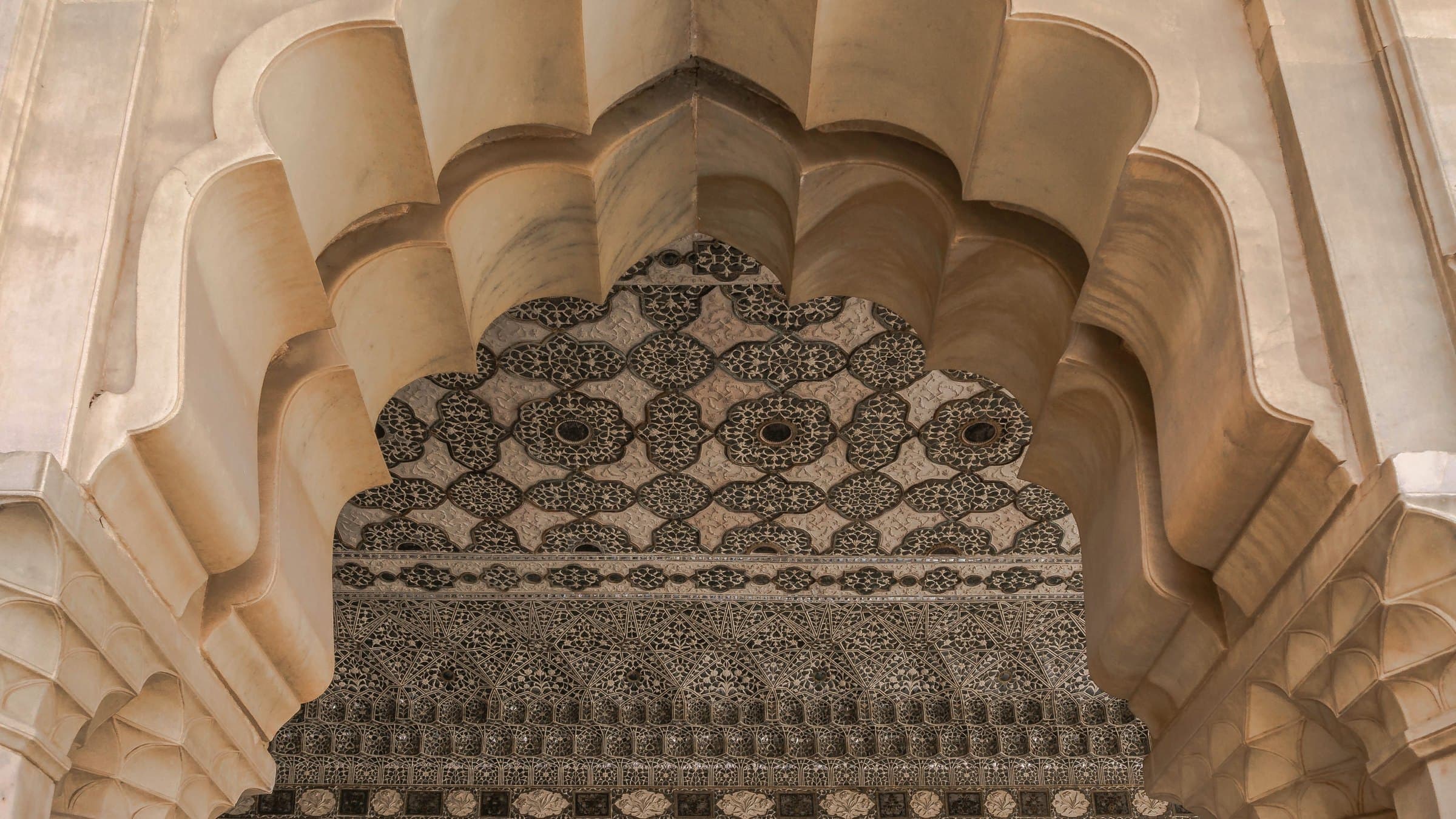
Made where things are still made by hand.
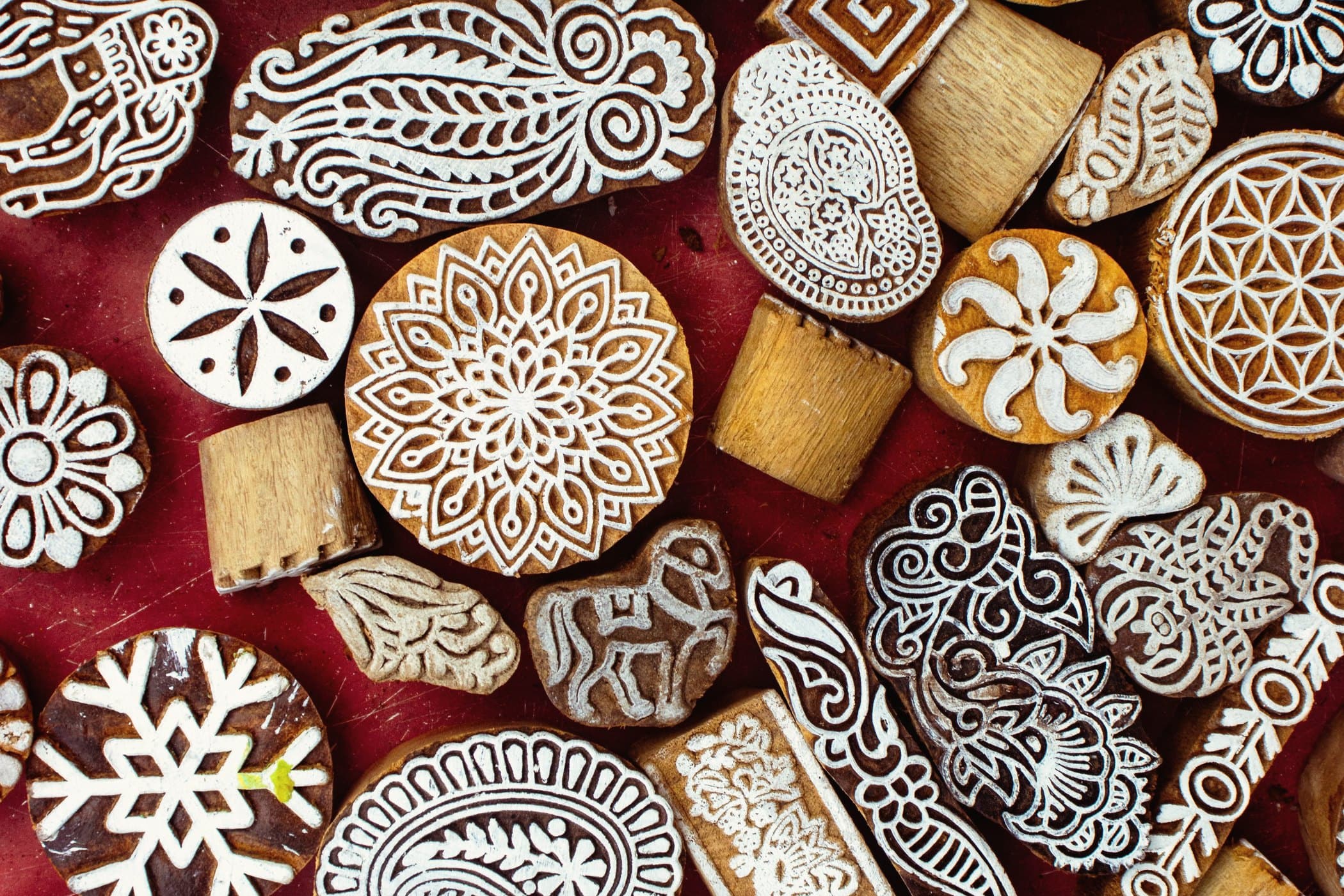
Jaipur has always been a city of workshops. Block printers in Sanganer and Bagru, stone carvers cutting jaalis from sandstone, gem cutters and paper makers, all within a short drive of each other.
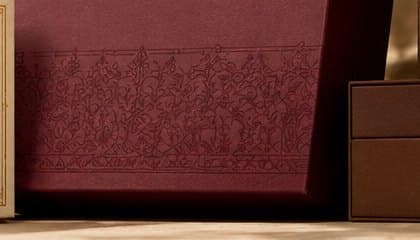
That shapes how we work. Hand finishing is ordinary here rather than a luxury, printers and paper mills are close by, and the heritage patterns our wedding and festive clients ask for are drawn from the walls around us.

Come and see the workshop, or send us the product.
Visits to the Jaipur workshop are by appointment. If you are further away, send dimensions, quantity and a photo of the product, and we will reply with a construction and an indicative price.